Understanding Electrical Codes in Rhode Island
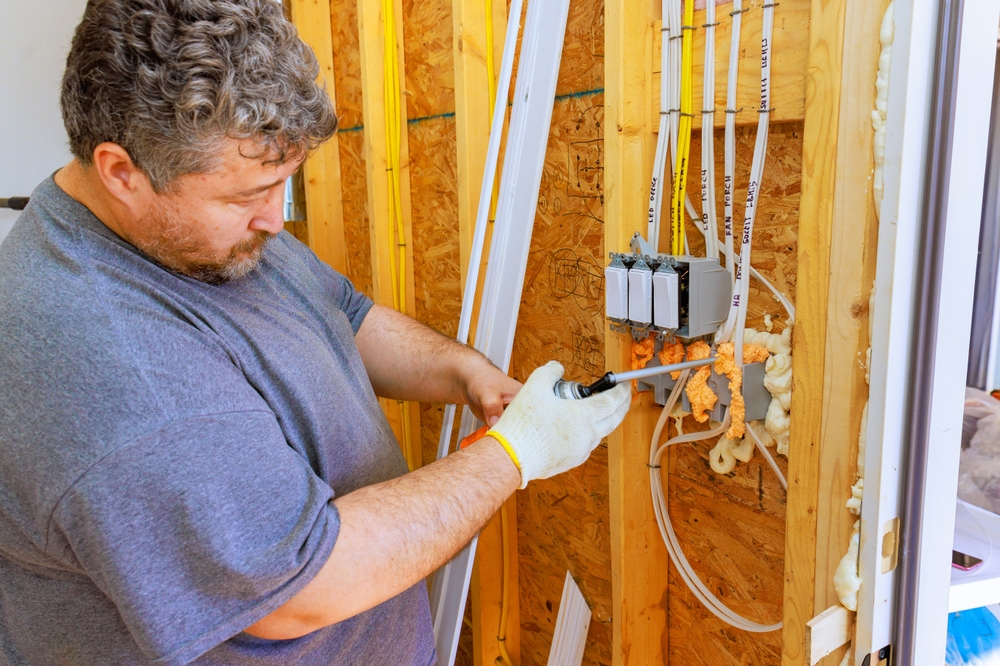
Electrical systems are one of the most important safety features in any home or commercial property. At Kelco Electric, we work with homeowners and businesses throughout Rhode Island who need electrical work completed safely, correctly, and in line with current code requirements. Whether you are planning a renovation, replacing an electrical panel, installing new equipment, or updating older wiring, understanding Rhode Island electrical codes is an important part of making sure the work is done legally and safely.
Electrical regulations are in place for a reason. They help protect people, property, and the electrical system itself from serious risks like fire, electrical shock, and overloaded circuits. While many property owners may not think about code requirements until a project begins, these rules affect nearly every aspect of electrical work, from installation methods to permitting and final inspection.
In Rhode Island, electrical regulations are based on the National Electrical Code, commonly known as the NEC. This code is widely used across the country and sets the standard for safe electrical installation practices. It is updated on a regular basis to reflect changes in electrical technology, modern energy needs, and evolving safety standards. Rhode Island adopts these rules through its state building code system and may also include amendments that apply specifically to local requirements.
At Kelco Electric, we help Rhode Island property owners understand that code compliance is not just about checking a box. It is about making sure electrical systems are installed to perform safely over the long term. Whether the work involves new circuits, service upgrades, lighting installations, or commercial electrical improvements, following current code requirements helps reduce the risk of future problems and keeps the property better protected.
One of the most important parts of electrical regulations in Rhode Island is licensing. In most cases, electrical work must be completed by a licensed electrician. That requirement exists to make sure the person doing the work has the training, field experience, and code knowledge needed to perform the job safely. Electrical systems are too important to leave to guesswork, especially when improper work can create hidden hazards inside walls, panels, or service connections.
Permits are also a major part of the process. Many electrical projects in Rhode Island require a permit before work begins, especially when the project involves new installations, system upgrades, or major changes to existing electrical equipment. Once the work is complete, inspections are typically required to verify that everything meets the applicable code. These inspections are an important safeguard because they help confirm that the electrical system has been installed properly and safely.
For homeowners and business owners, these requirements can feel complicated at first, but they serve an important purpose. Faulty wiring and unsafe installations continue to be one of the leading causes of electrical hazards in buildings. Following Rhode Island electrical codes helps lower those risks and creates a safer environment for everyone using the property.
At Kelco Electric, we guide Rhode Island customers through this process by making sure the work is completed to current standards and with the right level of attention to detail. That includes understanding when permits are needed, performing installations according to code, and helping ensure the finished work is ready for inspection. For property owners, working with a licensed electrician can help avoid costly mistakes, project delays, fines, and issues that may come up later during resale or renovations.
Some property owners may be allowed to perform limited electrical work on their own property, but even in those situations, permits and inspections are often still required. The same safety standards apply regardless of who performs the work. Because of that, many people choose to work with an experienced electrician rather than take risks with something as important as the electrical system.
Electrical codes also continue to change as homes and businesses place more demand on their systems. Newer technologies like electric vehicle chargers, smart home devices, backup power systems, and energy-efficient upgrades all bring new considerations for safe electrical installation. Rhode Island continues to update its electrical code adoption to keep pace with these changes and make sure systems can safely support modern needs.
For property owners across Rhode Island, staying current with these regulations is one of the best ways to protect both the building and the people inside it. Electrical work is not an area where shortcuts make sense. Safe installation, proper permitting, and code compliance all work together to create a system that is reliable, efficient, and built to last.
At Kelco Electric, we help homeowners and businesses throughout Rhode Island complete electrical work with safety, code compliance, and long-term performance in mind. Understanding electrical codes and regulations is not just about rules on paper. It is about making sure every project is done the right way from the start.
References
Rhode Island Building Code Standards Committee
https://ribcc.ri.gov/
Rhode Island General Laws – Electrical Licensing Requirements
https://webserver.rilegislature.gov/Statutes/TITLE5/5-6/5-6-2.htm
Rhode Island Department of Labor and Training – Professional Regulation
https://dlt.ri.gov/regulation-and-safety/professional-regulation
National Fire Protection Association – National Electrical Code (NEC)
https://www.nfpa.org/nec