Knob-and-Tube Wiring Installation Replacement in Older Cranston Rhode Island Homes
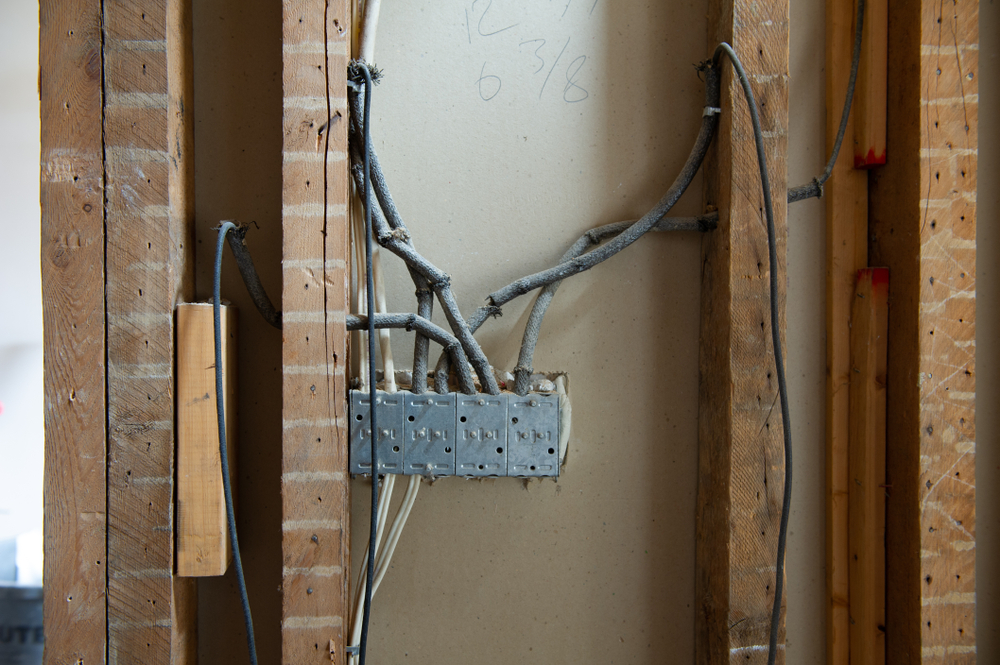 Rhode Island’s older housing stock gives many homes their charm, but it can also mean the electrical installation behind the walls was built for a much earlier era. At Kelco Electric, we work with homeowners across Rhode Island who are often surprised to find that older homes may still contain active knob-and-tube wiring in attics, basements, and wall cavities. Even when this older wiring installation is hidden from view, it can still affect the overall safety, reliability, and performance of the home’s electrical system.
Knob-and-tube wiring was once a common residential installation method, and the National Electrical Code still identifies it in Article 394 as a legacy wiring method. NFPA educational material on the NEC also notes that early residential electrical installation practices included knob-and-tube wiring, which shows just how long this system has been part of older homes.
For Rhode Island homeowners, the concern is not simply that this wiring is old. It is that many homes throughout the state were built during the time when knob-and-tube installation was standard, and in some cases that wiring was never fully removed during later updates or partial replacement work. The U.S. Census Bureau’s Rhode Island housing table shows that a large share of occupied housing units in the state were built before 1950, and Rhode Island QuickFacts reports 488,030 housing units statewide as of July 1, 2024. Based on housing age data, HUD and AHS documentation, and field experience with older properties, Kelco Electric estimates that roughly 5 to 10 percent of Rhode Island homes may still contain active knob-and-tube wiring. That figure is Kelco Electric’s estimate, not a published statewide total, but it reflects how often replacement and modernization still need to be addressed in older homes.
The issue with knob-and-tube wiring is that it was originally designed for a much lower electrical load than what most homes require today. Modern homes depend on larger kitchen appliances, cooling systems, home office equipment, entertainment systems, chargers, and smart devices that place far greater demands on the electrical installation than older wiring was built to support. When that older installation remains active while electrical usage continues to grow, the safety margin becomes much smaller. This is especially true when the insulation has aged, deteriorated, or been affected by previous repairs that stopped short of full replacement.
Another major problem is that knob-and-tube wiring does not offer the grounding homeowners expect from more modern installation methods. That makes it a poor fit for many of today’s electrical devices, safety expectations, and upgrade needs. Even if the system appears to function, that does not mean it is well suited for the way the home is being used now. In many Rhode Island homes, hidden knob-and-tube wiring remains in place for years until a renovation, inspection, repair, or replacement project brings it to light.
At Kelco Electric, we help Rhode Island homeowners determine whether older wiring is still present, whether it is active, and whether full or partial replacement is the safer path forward. In some homes, earlier updates may have left a mix of old and new electrical installation methods tied into the same system. That type of patchwork wiring can make the home more difficult to evaluate and make proper replacement planning even more important.
Knob-and-tube wiring replacement is one of the most meaningful electrical upgrades a homeowner can make in an older property. A full replacement can improve safety, increase reliability, and make the electrical installation much better suited for modern living. It can also make future upgrades easier, whether the homeowner is planning a kitchen renovation, service upgrade, panel replacement, or a broader electrical modernization project.
For homeowners across Rhode Island, one of the biggest mistakes is assuming that older wiring is harmless simply because nothing obvious has happened yet. An outdated installation can continue operating while still carrying more risk than a modern system. That is why a professional inspection is the best first step. It helps determine whether knob-and-tube wiring is present, whether it is still active, and whether repair, replacement, or a larger system upgrade should be considered next.
At Kelco Electric, we work with homeowners throughout Rhode Island to inspect older systems and recommend practical installation upgrades and replacement solutions that improve long-term safety and performance. Knob-and-tube wiring may be hidden, but in many older homes it remains one of the most important electrical issues to identify and address before it leads to a larger problem.
References
U.S. Census Bureau, Physical Housing Characteristics for Occupied Housing Units in Rhode Island
National Fire Protection Association, Learn More About NFPA 70 National Electrical Code
U.S. Consumer Product Safety Commission, What Causes Wiring Fires in Residences