Why Older Electrical Panels Are Still a Problem in Rhode Island Homes
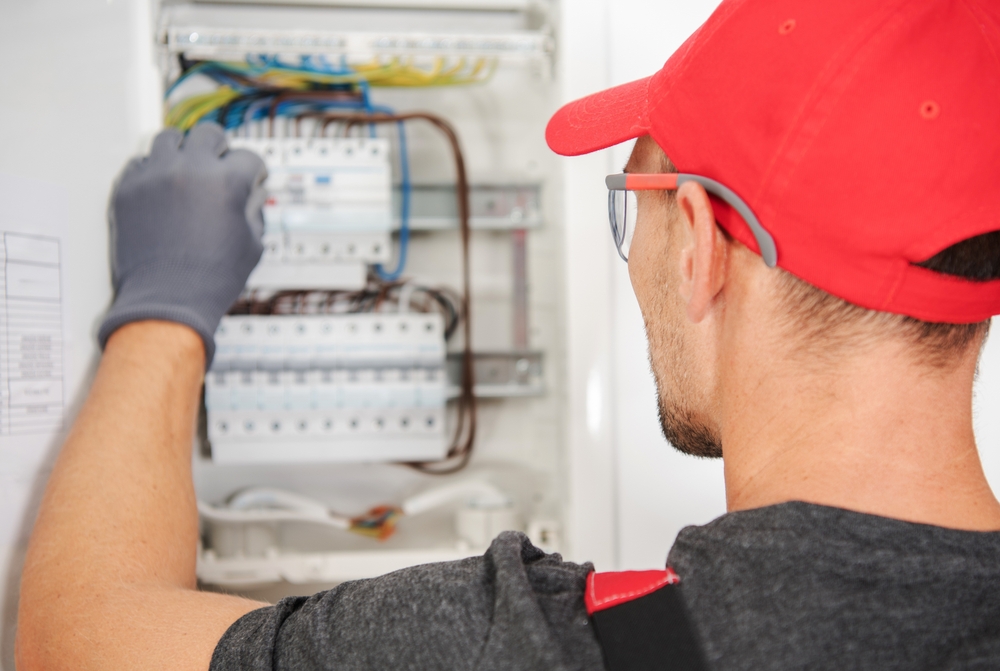 Older homes across Rhode Island often carry electrical limitations that are easy to miss until the system starts showing signs of strain. At Kelco Electric, we work with homeowners who are adding more appliances, more devices, and more power demand to homes that were built for a much different electrical lifestyle. One of the most common weak points is the electrical panel itself.
For many older homes, a 100-amp panel was once considered standard. Today, that same capacity can fall short much more quickly. Modern households are often running central air, updated kitchen appliances, laundry equipment, home office setups, charging stations, entertainment systems, and in some cases electric vehicle chargers or higher-demand HVAC equipment. Federal energy data shows that electricity use in homes now covers a wide range of major loads, with air conditioning alone accounting for 19% of residential site electricity use in 2020, while space heating and water heating each accounted for 12%. The same EIA data also shows that 89% of U.S. homes used air conditioning in 2020, up from 57% in 1980.
That matters in Rhode Island because a large share of the housing stock is older. The U.S. Census Bureau’s Rhode Island housing data shows that many occupied housing units were built before 1980, including a substantial number built before 1950. Rhode Island QuickFacts also reports 488,030 housing units statewide as of July 1, 2024. Based on the age of the housing stock, regional construction patterns, and the era when 100-amp service was commonly installed in homes, Kelco Electric estimates that roughly 40% to 60% of Rhode Island homes may still rely on 100-amp electrical panels. That is Kelco Electric’s estimate, not a published statewide count.
The practical impact of an undersized panel often shows up in ways homeowners already recognize. Frequent breaker trips, limited room for expansion, overloaded circuits, and trouble adding new appliances or equipment can all point to a panel that is no longer well matched to the home’s electrical needs. NFPA identifies frequent blowing fuses or tripping circuit breakers, along with discolored or warm outlets, as warning signs of electrical problems in the home. CPSC guidance similarly warns that overloaded electrical systems and defective wiring can lead to overheating and fire hazards.
In practical terms, a 100-amp panel may still serve some homes adequately, but the margin gets much tighter as electrical demand increases. That is especially true when homeowners plan renovations or add equipment that was not part of the home’s original design. Even one major addition, such as central air, an electric dryer, a heat pump, or EV charging equipment, can change the load profile of the entire house. EIA’s residential energy data shows how much more electricity-intensive the modern home has become, which is why older service capacity can become a bottleneck even if the system still appears to be functioning.
At Kelco Electric, we help Rhode Island homeowners evaluate whether the existing panel is still appropriate for the way the home is used today. In some cases, the panel may be full with no room for additional circuits. In others, the warning signs may be recurring breaker trips, uneven performance, or concerns about safely supporting future upgrades. A professional electrical inspection can help determine whether the issue is panel capacity, aging equipment, or a broader system that needs attention.
Upgrading to a 200-amp panel often provides the foundation needed for modern living. It can create the capacity required for additional circuits, reduce the strain that comes from balancing too many loads on an older panel, and better support future additions like EV chargers, updated HVAC systems, workshop equipment, or larger kitchen renovations. The value of that upgrade is not just convenience. It is also about improving system reliability and reducing the risk that an undersized panel will be pushed beyond its practical limit. That risk is consistent with NFPA and CPSC guidance on overloaded circuits, overheating, and home wiring hazards.
For Rhode Island homeowners, the biggest mistake is assuming the panel is sufficient simply because the lights still turn on. An older electrical panel can continue operating while quietly limiting what the home can safely support. The better approach is to evaluate the system before expansion plans, new equipment, or recurring electrical problems turn into a larger safety issue.
At Kelco Electric, we work with homeowners throughout Rhode Island to inspect older electrical panels and recommend upgrades that match current household demand. Outdated electrical panels remain common across the state, and in many homes, upgrading to a modern service panel is one of the most important steps toward safer, more reliable power.
References
U.S. Energy Information Administration, Electricity Use in Homes
U.S. Energy Information Administration, How Is Electricity Used in U.S. Homes
U.S. Energy Information Administration, How Much Electricity Is Used for Air Conditioning in U.S. Homes
National Fire Protection Association, Electrical Safety in the Home
U.S. Consumer Product Safety Commission, Guide to Home Wiring Hazards
U.S. Consumer Product Safety Commission, New Technology for Preventing Residential Electrical Fires