Why GFCI and AFCI Protection Still Matter in Rhode Island Homes
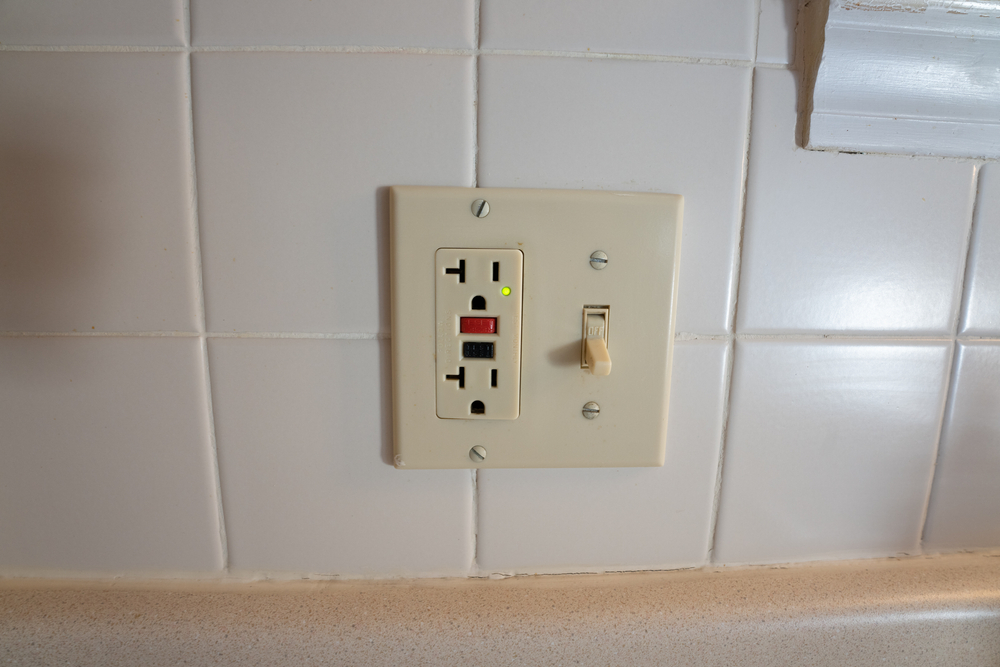 Electrical safety in a home is often judged by whether the lights turn on and the outlets seem to work. At Kelco Electric, we work with homeowners across Rhode Island who are surprised to learn that a home can appear to function normally while still missing important modern safety protections. Two of the most important are GFCI and AFCI protection, both of which are now a major part of current residential electrical safety standards. Rhode Island’s electrical code incorporates NEC 2023, which is the current framework the state uses for electrical work.
GFCI protection is intended to reduce the risk of electric shock, especially in places where water and electricity may come into contact. The U.S. Consumer Product Safety Commission explains that a ground-fault circuit interrupter protects people from shock and electrocution hazards by interrupting power very quickly when it detects a fault. That is why modern code places strong emphasis on GFCI protection in wet and damp locations such as kitchens, bathrooms, garages, basements, and outdoor areas.
AFCI protection addresses a different type of danger. The CPSC explains that arc-fault circuit interrupters are designed to detect dangerous electrical arcing and shut off power before that arcing can lead to a fire. CPSC guidance also notes that older homes with ordinary circuit breakers may particularly benefit from AFCI protection because aging wiring systems can be more vulnerable to arc faults. For homeowners in Rhode Island, that makes AFCI protection especially relevant in older housing.
The reason this matters so much in Rhode Island is the age of the housing stock. The U.S. Census Bureau reports 488,030 housing units in Rhode Island as of July 1, 2024, and its Rhode Island housing table shows that a large share of occupied housing units were built well before modern GFCI and AFCI requirements became standard practice. Based on that housing age profile and the timing of these protections entering successive NEC editions, Kelco Electric estimates that roughly 60 to 75 percent of Rhode Island homes do not fully meet current GFCI and AFCI expectations. That figure is Kelco Electric’s estimate, not a published statewide compliance statistic.
For homeowners, this shortfall creates one of the more preventable electrical safety risks in the home. Without GFCI protection, the risk of serious shock is higher in areas where moisture is present. Without AFCI protection, hidden wiring problems can develop into arc faults that may start or spread a fire before a homeowner sees any visible warning. NFPA’s home electrical safety guidance specifically highlights AFCIs and GFCIs as important home safety devices and says they should be installed by a qualified electrician.
At Kelco Electric, we often see this issue in older Rhode Island homes that have had partial updates over the years but were never fully modernized for current electrical safety standards. A kitchen may have newer outlets but lack broader protection. A panel may still rely on older breakers even though the home now has upgraded appliances, finished basement areas, added receptacles, or expanded living space. In those cases, the home may still work day to day, but that does not mean it is providing the level of protection current standards are designed to deliver. This is an inference based on Rhode Island’s older housing stock and the evolution of NEC protection requirements over time.
Bringing a home closer to current code with GFCI and AFCI protection is one of the more effective electrical safety upgrades a homeowner can make. In some homes, that may involve replacing specific receptacles. In others, it may mean upgrading breakers at the panel, correcting older wiring conditions, or combining these improvements with a larger electrical update. The right solution depends on the age of the home, the condition of the wiring, and how the electrical system is being used today.
At Kelco Electric, we help Rhode Island homeowners evaluate whether their home has the GFCI and AFCI protection current safety standards are built around. These protections are not minor add-ons. They are a meaningful part of reducing shock risk, lowering fire risk, and making the electrical system better suited to the way modern homes operate. When these gaps are identified and corrected, the safety improvement is real and immediate.
References
National Fire Protection Association, Electrical Home Fire Safety
Rhode Island Electrical Code, RISBC-5
Rhode Island State Building and Fire Code Regulations
U.S. Consumer Product Safety Commission, GFCI Fact Sheet
U.S. Consumer Product Safety Commission, Preventing Home Fires: Arc Fault Circuit Interrupters