Why Electrical Upgrades Are a Smart Investment for Rhode Island Homeowners
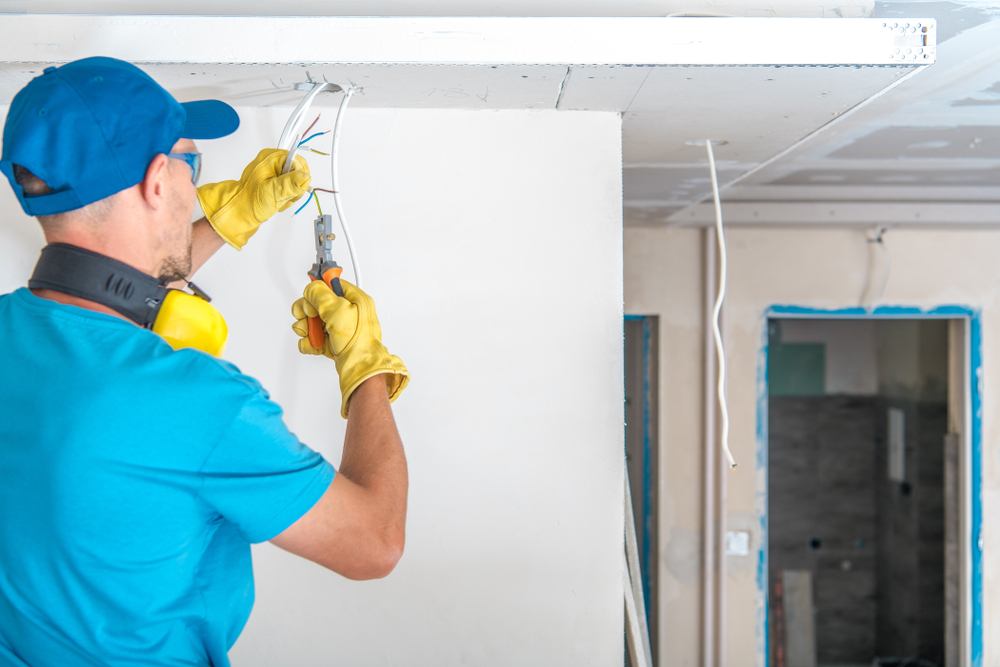 At Kelco Electric, we see these challenges in real homes across Rhode Island. Older panels may have limited capacity for expansion. Aging wiring may not be well suited for modern appliance loads. Safety features such as whole-house surge protection, GFCI protection, and AFCI protection are often missing in homes that have never been fully modernized. When those conditions are combined, the result is not just inconvenience. It can mean recurring breaker trips, reduced reliability, higher safety risk, and less flexibility for future upgrades. NFPA’s home electrical safety guidance specifically warns that warning signs such as frequent breaker trips, warm or discolored outlets, and other unsafe electrical conditions should not be ignored.
Across Rhode Island, many homes are still operating with older electrical panels, aging wiring, and missing safety protections, even as household power demands continue to rise. That creates a growing gap between what many homes were originally designed to handle and what homeowners now expect from them every day. Rhode Island’s current electrical code adopts the 2023 National Electrical Code, while the state’s housing stock still includes a large share of older homes. The U.S. Census Bureau reports 488,030 housing units in Rhode Island as of July 1, 2024, and its housing data shows many occupied homes were built well before modern electrical safety requirements became standard.
That gap matters because modern living places heavier demands on residential electrical systems than in past decades. The U.S. Energy Information Administration says the average U.S. household uses about 10,500 kilowatthours of electricity per year, and electricity now supports a wide range of end uses throughout the home, including air conditioning, water heating, lighting, electronics, appliances, and charging equipment. In practical terms, that means many older Rhode Island homes are trying to support a level of electrical use they were never originally built around.
That is why upgrading an electrical system is about much more than convenience. Increasing panel capacity, modernizing wiring, installing surge protection, and preparing for future loads like EV charging all help make a home safer, more efficient, and better prepared for the way people live now. Rhode Island’s adoption of NEC 2023 provides the code framework for these kinds of improvements, and NFPA describes the NEC as the benchmark for safe electrical design, installation, and inspection to protect people and property.
For homeowners, the value of these upgrades is also long term. A properly evaluated and updated electrical system can reduce strain on the home, improve day-to-day dependability, and make future renovations or equipment additions easier to support. That is especially important as more households add higher-demand systems and devices over time. If a home’s electrical system has not been evaluated in recent years, 2026 is a practical time to take a closer look at whether it still matches current needs and current safety expectations. That timing is an inference based on Rhode Island’s older housing stock, current code adoption, and continued residential electricity use patterns.
At Kelco Electric, we help Rhode Island homeowners address these issues with practical, code-compliant upgrades built around how the home is actually used. Whether the next step is a panel upgrade, wiring improvements, surge protection, or planning for future electrical demand, the goal is the same: a safer, more reliable, and more future-ready home.
References
Rhode Island Electrical Code, RISBC-5
U.S. Energy Information Administration, Electricity Use in Homes
U.S. Energy Information Administration, Residential Energy Consumption Survey
National Fire Protection Association, Electrical Safety in the Home
National Fire Protection Association, NFPA 70 Code Development